Exploring the Versatility and Benefits of Multi-Conductor Control Cables


Introduction:
In the realm of electrical engineering and industrial applications, the importance of reliable and efficient control cables cannot be overstated. Multi-conductor control cables play a crucial role in transmitting signals and power to various components within complex systems. These cables are designed to handle the demanding requirements of modern industries, providing flexibility, durability, and excellent performance. In this comprehensive guide, we will delve into the world of multi-conductor control cables, exploring their construction, applications, benefits, and key considerations for selection.
Understanding Multi-Conductor Control Cables:
Multi-conductor control cables are specialized cables that contain multiple insulated conductors within a single cable jacket. These cables are commonly used in industrial automation, manufacturing processes, machinery control, and other applications that require the transmission of signals and power to multiple devices simultaneously. The construction of multi-conductor cables can vary depending on the specific requirements of the application, but they typically consist of stranded or solid copper conductors, insulation materials, and an overall jacket for protection.
Construction of Multi-Conductor Control Cables:
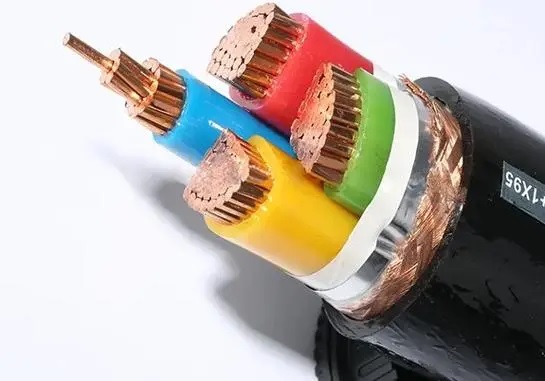
The construction of multi-conductor control cables is a critical aspect that determines their performance and suitability for different applications. The following are key components typically found in multi-conductor cables:
1. Conductors: The conductors in multi-conductor control cables are usually made of high-quality copper for optimal conductivity. Stranded conductors are more flexible and resistant to breakage from repeated bending, making them ideal for applications where flexibility is required. Solid conductors, on the other hand, offer better electrical performance over longer distances.
2. Insulation: Each individual conductor in a multi-conductor cable is insulated to prevent electrical interference and ensure signal integrity. The insulation material can vary depending on the application requirements, with common options including PVC (Polyvinyl Chloride), XLPE (Cross-linked Polyethylene), and TPE (Thermoplastic Elastomer).
3. Shielding: In applications where electromagnetic interference (EMI) or radio frequency interference (RFI) is a concern, multi-conductor control cables may feature shielding to protect the signal integrity. Shielding can be in the form of foil, braided, or combination shielding, depending on the level of protection required.
4. Jacket: The outer jacket of a multi-conductor control cable provides mechanical protection, abrasion resistance, and environmental protection. The jacket material is selected based on factors such as flexibility, temperature resistance, and chemical resistance to ensure the cable can withstand the operating conditions of the application.
Applications of Multi-Conductor Control Cables:
Multi-conductor control cables find a wide range of applications across various industries due to their versatility and reliability. Some common applications include:
1. Industrial Automation: Multi-conductor control cables are extensively used in industrial automation systems to connect sensors, actuators, and other control devices to programmable logic controllers (PLCs) and other control systems. These cables enable the transmission of signals for monitoring and controlling automated processes.
2. Machinery Control: In manufacturing facilities and machinery applications, multi-conductor control cables are used to connect control panels to motors, drives, and other components. These cables facilitate the precise control of machinery operations, ensuring safety and efficiency in production processes.
3. Control cable manufacturers : Heating, ventilation, and air conditioning (HVAC) systems rely on multi-conductor control cables to connect thermostats, dampers, valves, and other HVAC components to control systems. These cables help regulate temperature, airflow, and humidity in commercial and residential buildings.
4. Energy Management Systems: Multi-conductor control cables are essential for energy management systems that monitor and control power distribution, lighting, and energy consumption in buildings and industrial facilities. These cables enable the communication between sensors, meters, and control devices for efficient energy management.
Benefits of Multi-Conductor Control Cables:
The use of multi-conductor control cables offers several benefits that make them a preferred choice for various applications. Some key benefits include:
1. Simplified Installation: By consolidating multiple conductors within a single cable jacket, multi-conductor cables simplify the installation process compared to using individual cables for each signal or power connection. This reduces installation time and labor costs, making them more cost-effective for complex systems.
2. Space Efficiency: Multi-conductor control cables help save space in control panels and cable trays by eliminating the need for multiple cables running parallel to each other. This space-efficient design is particularly advantageous in applications with limited space constraints.
3. Enhanced Flexibility: The flexibility of multi-conductor control cables allows for easy routing and installation in tight spaces or areas with complex cable paths. The flexibility also reduces stress on the conductors during installation and operation, minimizing the risk of cable damage.
4. Improved Signal Integrity: With proper shielding and insulation, multi-conductor control cables offer excellent signal integrity by minimizing electromagnetic interference and crosstalk between conductors. This ensures reliable transmission of signals and data in critical applications.
5. Durability and Reliability: Multi-conductor control cables are designed to withstand harsh environmental conditions, mechanical stress, and chemical exposure, making them durable and reliable for long-term use. Their robust construction ensures consistent performance even in demanding industrial settings.
Considerations for Selecting Multi-Conductor Control Cables:
When choosing multi-conductor control cables for a specific application, several factors should be taken into consideration to ensure optimal performance and compatibility. Some key considerations include:
1. Number of Conductors: Determine the required number of conductors based on the signals and power connections needed for the application. Select a multi-conductor cable with the appropriate number of conductors to accommodate all connections without excess or insufficient capacity.
2. Voltage Rating: Consider the voltage rating of the multi-conductor control cable to ensure it can safely handle the maximum voltage levels in the application. Choose a cable with a voltage rating that meets or exceeds the requirements to prevent electrical failures or safety hazards.
3. Temperature Rating: Verify the temperature rating of the cable to ensure it can withstand the operating temperature range of the application environment. Select a cable with insulation and jacket materials that are rated for the specific temperature conditions to prevent degradation or failure.
4. Flexibility Requirements: Evaluate the flexibility requirements of the installation to determine the type of conductor (stranded or solid) and jacket material needed for the cable. Flexible cables are suitable for applications that require frequent bending or movement, while rigid cables may be preferred for static installations.
5. Shielding and EMI/RFI Protection: Assess the level of electromagnetic interference and radio frequency interference present in the application environment to determine if shielding is necessary. Choose a multi-conductor cable with appropriate shielding options to protect signal integrity and prevent interference.
6. Environmental Factors: Consider environmental factors such as exposure to chemicals, moisture, UV radiation, and mechanical stress when selecting a multi-conductor control cable. Choose a cable with robust construction and materials that can withstand the specific environmental conditions of the application.
Conclusion:
Multi-conductor control cables are essential components in modern industrial systems, providing reliable connectivity for signals and power transmission. Their versatile design, durability, and performance make them ideal for a wide range of applications across various industries. By understanding the construction, applications, benefits, and key considerations for selecting multi-conductor control cables, engineers and designers can make informed decisions to ensure optimal performance and reliability in their systems. With advancements in cable technology and materials, multi-conductor control cables continue to evolve to meet the evolving needs of industrial automation and control systems.